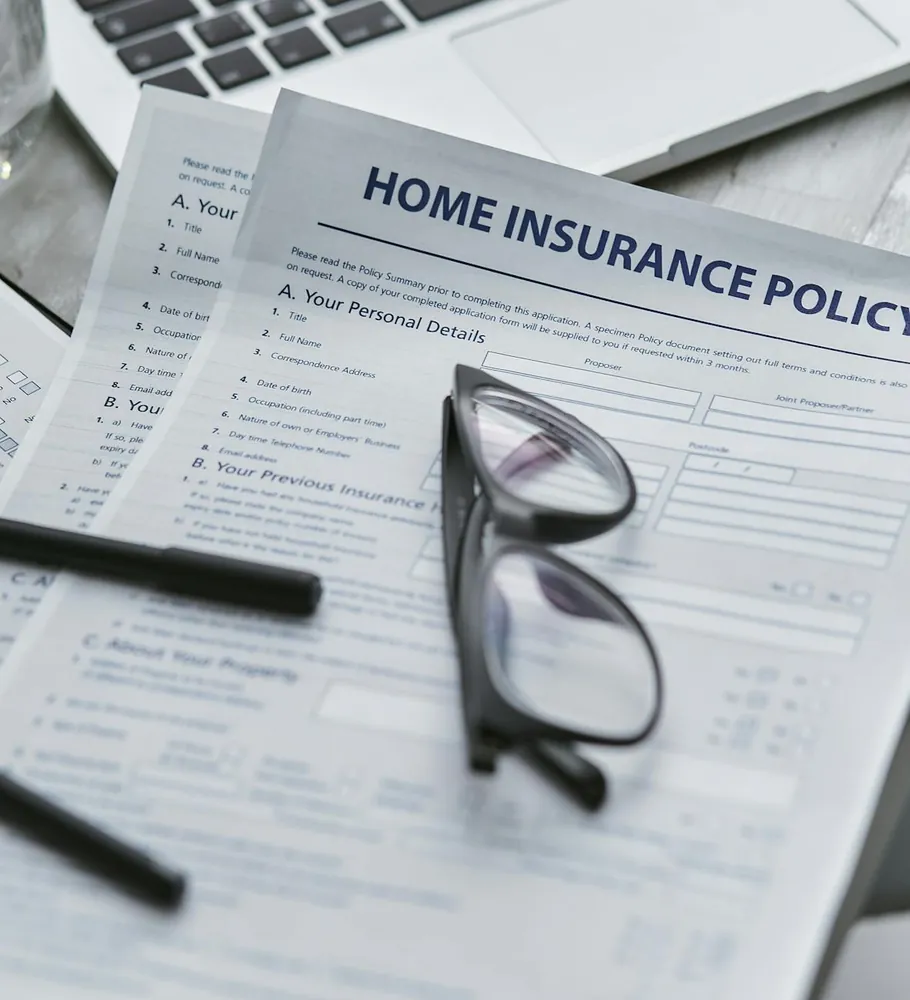
Utilizing Property Insurance to Mitigate Home Investment Risks

Understanding Property Insurance as a Risk Management Tool
Investing in a home is often one of the largest financial commitments many individuals make in their lifetime. While real estate can be a lucrative investment, it is not without its risks. Unexpected events such as natural disasters, theft, or sudden economic downturns can result in significant financial losses. Property insurance serves as a crucial risk management tool that helps mitigate these potential pitfalls by providing a financial safety net.
Property insurance typically covers various risks, including damages due to fire, storms, theft, and other unforeseen events. Understanding the different types of property insurance and how they apply to your specific investment scenario is key to effective risk management.
The Importance of Adequate Coverage
To effectively utilize property insurance as a risk management strategy, it is vital to assess and obtain adequate coverage. This means selecting a policy that aligns with both the market value of the home and the cost of rebuilding it from scratch in case of total destruction.
For example, during Hurricane Katrina in 2005, many homeowners faced severe financial distress because their insurance did not cover flooding. This case highlighted the importance of understanding what your policy covers and where there might be gaps.
- Homeowner's Insurance: This is the standard insurance policy covering structural damage and personal belongings within the home.
- Flood Insurance: Often sold separately from homeowner's insurance, it is essential for properties located in flood-prone areas.
- Earthquake Insurance: Necessary for homes in seismically active regions, this coverage ensures protection against earthquake damage.
Case Study: Insurance During Economic Downturns
Consider a scenario from the 2008 financial crisis when housing markets crashed, and many properties lost significant value. During this period, individuals who had robust insurance policies could claim compensation for any physical damages incurred during the downturn, such as vandalism or theft, which increased due to economic hardships.
One notable case involved a homeowner who had purchased comprehensive coverage that included protection against civil disturbances. When their neighborhood experienced looting during an economic riot, their insurance policy covered all repair costs, thereby preventing additional financial strain during an already challenging time. Navigating Policy Selection: Tips and Strategies
Selecting the right insurance policy can be complex but is crucial for effective risk management. Here are some practical tips:
- Assess Potential Risks: Begin by identifying risks specific to your property's location—natural disasters, crime rates, etc.
- Compare Policies: Evaluate different insurance providers and their offerings. Look for comprehensive policies that provide extensive coverage at competitive premiums.
- Read the Fine Print: Thoroughly review policy documents to understand exclusions and limits. Ensure that critical risks pertinent to your home are covered.
The Role of Deductibles in Managing Premiums
A deductible is the amount you pay out of pocket before your insurance kicks in. Choosing a higher deductible can lower your premium, but it also means you will bear more of the initial costs in case of a claim. Striking a balance between affordable premiums and manageable deductibles is crucial.
For instance, if your home is located in a high-risk area for hurricanes, opting for a higher deductible might reduce your monthly payments but ensure you have sufficient savings set aside for when disaster strikes. This approach necessitates a careful evaluation of your financial capacity to handle upfront costs.
Maximizing Benefits from Your Policy
Once you've secured an insurance policy, maximizing its benefits involves regular reassessments and updates based on changes to your property or economic conditions. Here's how:
- Regular Valuations: Conduct regular property valuations to ensure your coverage matches current rebuilding costs.
- Policy Reviews: Annually review your insurance policy to adjust coverage limits or add additional endorsements as needed.
- Documenting Changes: Keep detailed records of any upgrades or renovations to ensure these improvements are included in your coverage.
Conclusion: Property Insurance as an Investment Shield
The integration of comprehensive property insurance into your home investment strategy acts as a shield against unpredictable financial setbacks. While no policy can prevent disasters from occurring, having a tailored insurance plan ensures that when such events happen, you have the necessary support to recover swiftly without derailing your financial goals.
For savvy investors, understanding and leveraging property insurance not only protects the physical asset but also preserves long-term financial health. As markets fluctuate and environmental challenges grow, this foresight becomes an invaluable part of investing wisely in real estate.