Building Resilience: How Homeowners Can Protect Against Climate Risks
Understanding Climate Risks for Urban Homeowners
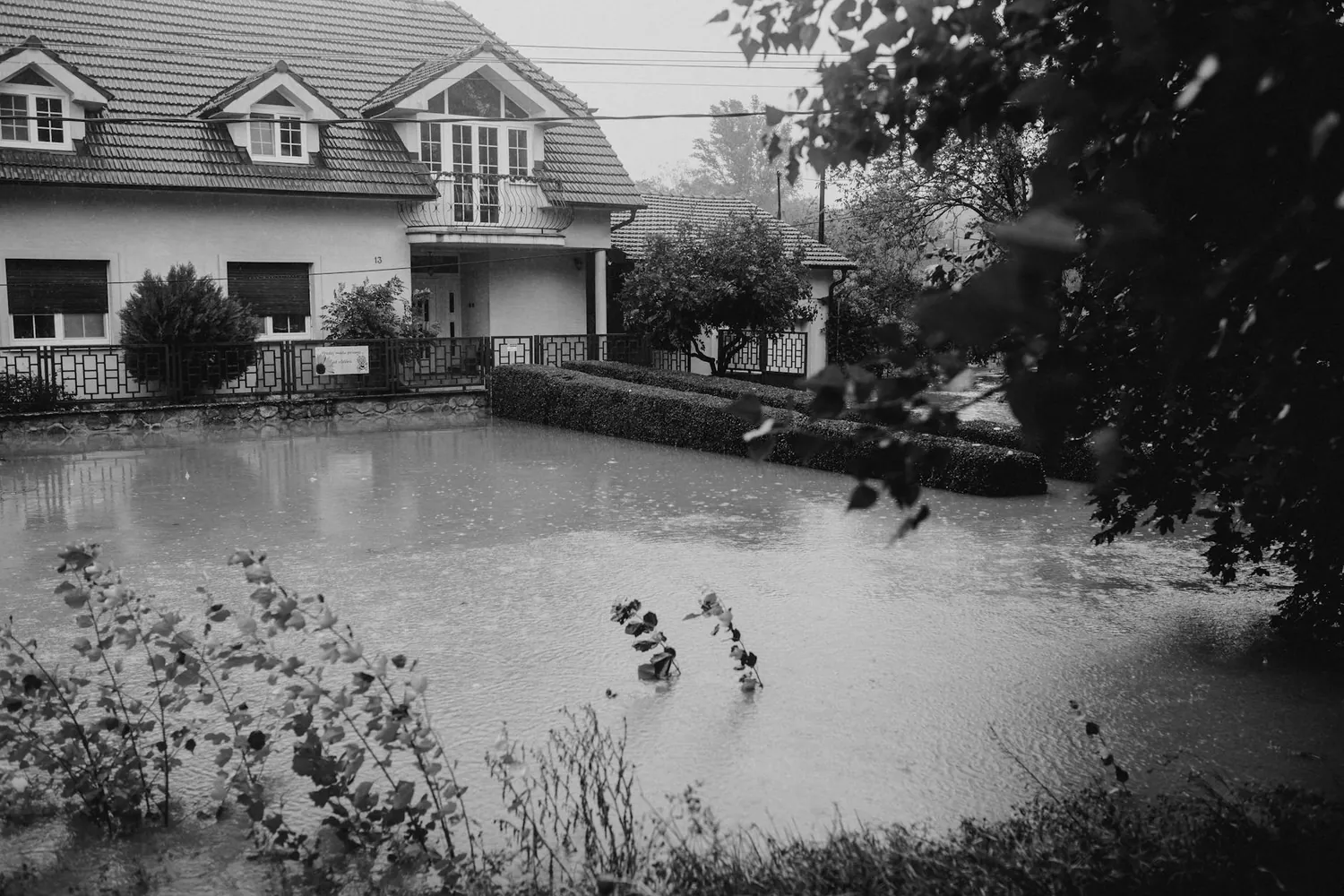
Climate change is no longer a distant threat; it is a present reality that affects us all, especially homeowners in urban areas prone to natural disasters. Coastal cities like Miami and New Orleans have experienced devastating impacts from hurricanes and flooding, prompting them to develop robust risk management strategies. As an urban homeowner, understanding these risks and taking proactive measures to safeguard your property is crucial.
Case Studies: Miami and New Orleans
Miami: Battling Rising Sea Levels
Miami faces unique challenges due to its low elevation and porous limestone foundation, which makes it highly susceptible to flooding. In recent years, the city has implemented the Miami Forever Bond, a $400 million initiative aimed at enhancing flood resilience through sea walls, stormwater pumps, and green infrastructure.
New Orleans: Learning from Katrina
New Orleans, forever changed by Hurricane Katrina, has become a model for disaster preparedness and recovery. The city's extensive levee system and the Louisiana Coastal Master Plan are key elements in its ongoing efforts to mitigate flood risks and restore wetlands that serve as natural barriers against storm surges. Assessing Climate Risks for Your Home
The first step in building resilience against climate risks is assessing your property's vulnerability. Consider the following factors:
- Location: Is your home situated in a flood-prone area or near a coast?
- Elevation: Determine the elevation of your property relative to sea level.
- Structural Integrity: Assess the condition of your home's foundation, roof, and drainage systems.
Consulting local climate data and risk assessment tools can provide further insights. Many cities offer resources such as flood maps and climate risk assessments that help homeowners make informed decisions.
Implementing Practical Risk Management Strategies
Home Renovations for Resilience
Consider home improvements that enhance your property's resilience to climate risks:
- Elevate Critical Systems: Raise electrical panels, appliances, and HVAC systems above potential flood levels.
- Install Flood Vents: These allow water to flow through rather than accumulate, reducing pressure on walls.
- Reinforce Roofs and Windows: Use impact-resistant materials to withstand high winds and debris.
Investing in Flood Insurance
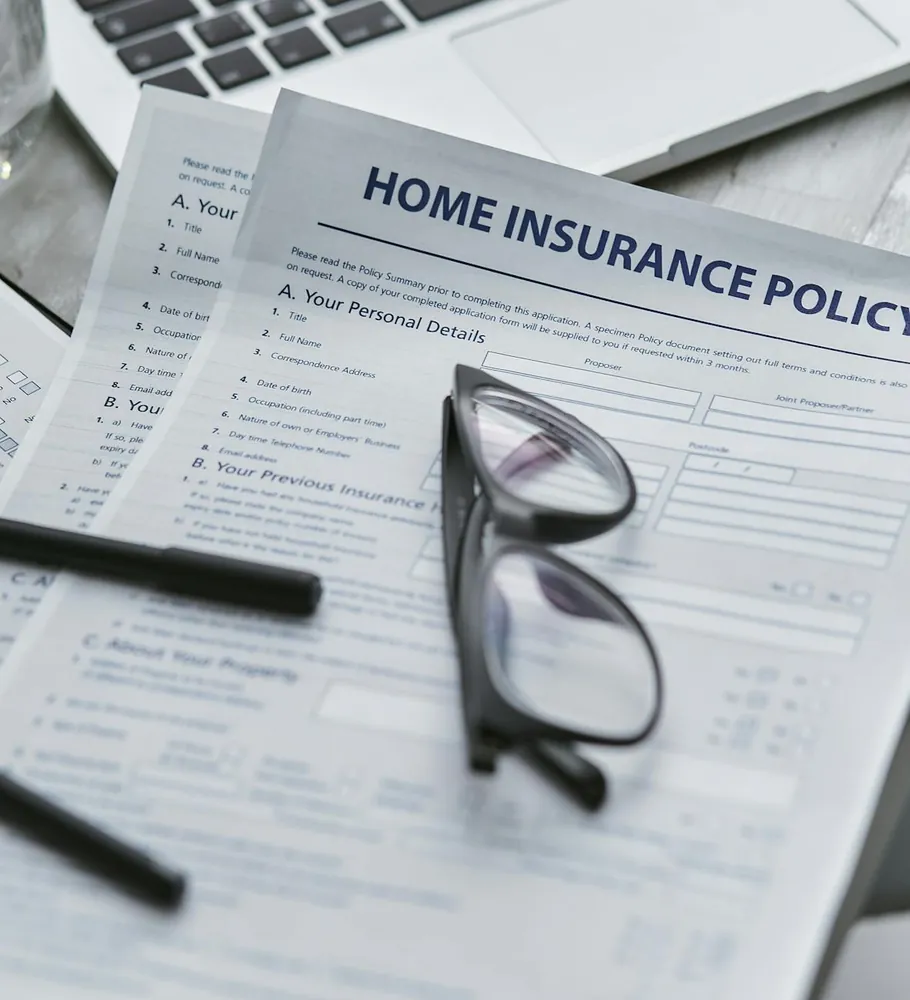
An essential component of managing climate risks is ensuring adequate insurance coverage. The National Flood Insurance Program (NFIP) offers policies that cover damages specific to flooding events. Evaluate your policy limits regularly to ensure they reflect the current replacement costs of your home.
Cities Leading the Way: A Deeper Dive into Successful Strategies
Miami's Multi-Layered Approach
Besides infrastructure investments, Miami focuses on community engagement through public workshops that educate residents about personal risk management. Encouraging green roofs and permeable pavements are part of their strategy to reduce urban heat islands and manage stormwater effectively.
New Orleans' Holistic Strategy
New Orleans leverages natural defenses by restoring marshlands and barrier islands. The city's commitment to sustainable development practices, like limiting construction in high-risk areas, underscores its long-term vision for resilience.
A Checklist for Homeowners: Building a Resilient Future
Use this checklist to guide your risk management planning:
- Conduct a detailed risk assessment of your home.
- Review and update your insurance policies to include flood coverage.
- Plan home renovations with resilience in mind (e.g., elevating systems).
- Engage with community initiatives for collective disaster preparedness.
- Stay informed on local climate adaptation policies and programs.
The Role of Technology in Risk Management
Advancements in technology play a significant role in how homeowners can anticipate and respond to climate risks. Tools like real-time flood sensors and weather apps provide critical information that allows for timely evacuations and preparation. Investing in smart home devices can offer added protection and peace of mind.
Conclusion: Investing in Resilience is Investing in Your Future
The importance of risk management in the face of climate change cannot be overstated. By learning from cities like Miami and New Orleans and implementing strategic measures, homeowners can significantly reduce vulnerabilities and protect their investments. Taking action today ensures that you are prepared for tomorrow's challenges.