Key Considerations for Budgeting Your Initial Home Investment Successfully

Understanding the Importance of a Detailed Budget
Entering the world of home investment for the first time can be both exciting and daunting. A well-crafted budget is crucial in navigating this journey successfully. Not only does it serve as a financial roadmap, but it also helps prevent unexpected surprises that could derail your investment.
Budgeting goes beyond just the purchase price. It involves understanding the total costs of ownership, from initial expenses like down payments to ongoing costs such as maintenance and property taxes. By diligently planning each component, you are better prepared to make informed decisions and secure your financial future.
Breaking Down the Initial Costs
1. Down Payment
Your down payment is likely to be the most significant upfront expense. Typically, lenders require 20% of the property's purchase price, but first-time investors might explore options with lower requirements through specific loan programs.
Example: If you are purchasing a $300,000 property, a traditional down payment would be $60,000. However, through FHA loans, you might only need to put down 3.5%, or $10,500.
2. Closing Costs
Closing costs generally range from 2% to 5% of the property price and include fees for appraisals, inspections, and title insurance. These are often overlooked but essential elements to include in your budget.
Tip: Request a 'Loan Estimate' from your lender to get a clearer picture of these expenses early in the process.
3. Immediate Repairs and Renovations
While some homes might be move-in ready, others may require immediate repairs or renovations to make them livable or increase their market value. Accurately estimating these costs will prevent future financial strain.
- Conduct a thorough inspection to identify necessary repairs.
- Obtain quotes from multiple contractors to ensure you're getting a fair deal.
4. Property Taxes and Insurance
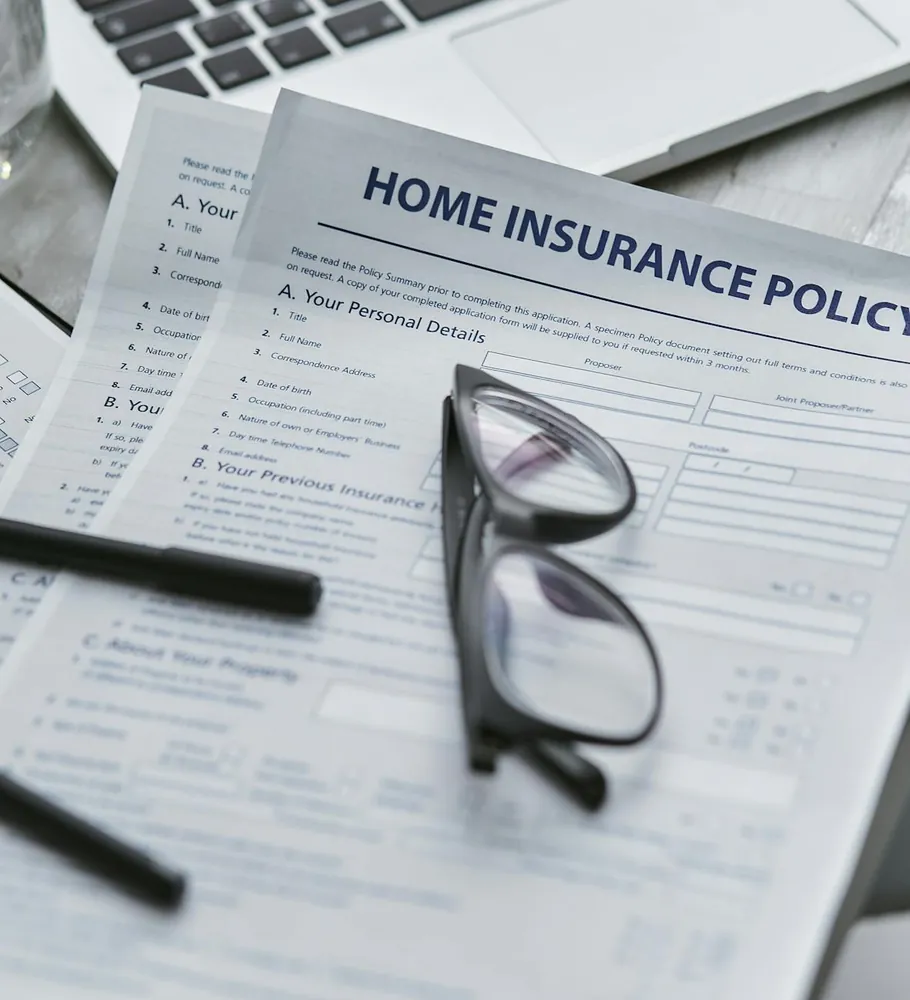
Property taxes vary significantly depending on location, so it's crucial to research this cost in your area. Additionally, homeowners insurance is a non-negotiable expense that protects your investment against potential damages. Creating an Ongoing Financial Plan
1. Monthly Mortgage Payments
Your mortgage payment will likely be the largest recurring cost. It typically includes principal, interest, taxes, and insurance (PITI). Use an online calculator to estimate these payments based on different loan scenarios.
2. Maintenance and Repairs
A good rule of thumb is to set aside 1% of your property's value annually for maintenance costs. This fund covers routine repairs and unexpected issues like plumbing or roofing problems.
3. Property Management Fees
If you're not living in the property yourself, consider hiring a property management company. Their services can help manage tenant interactions and property upkeep but usually take about 8-12% of your rental income.
Building a Contingency Fund
A contingency fund acts as a financial buffer against unforeseen expenses. Aim for at least three to six months of expenses saved, which can cover mortgage payments and basic repairs during vacancies or emergencies.
Checklist for Ongoing Financial Tracking
- Monthly Budget Review: Regularly compare your actual spending against your budget to identify discrepancies and adjust accordingly.
- Expense Categorization: Categorize all expenses into fixed (mortgage, insurance) and variable (utilities, repairs) to monitor spending patterns effectively.
- Cash Flow Analysis: Ensure that your rental income consistently exceeds expenses, providing positive cash flow and a sustainable investment.
Staying organized with these steps can simplify the complex financial landscape of property investment.
The Role of Technology in Budgeting
Consider using budgeting software or applications designed specifically for real estate investors. These tools help streamline the tracking process, offering real-time updates on your financial status and forecasting future expenses.
- Example Apps: Mint for budgeting, Stessa for property tracking, or Property Buddy for managing multiple investments.
Case Study: Learning from Successful First-Time Investors
Amy and John, first-time home investors from Austin, Texas, decided to purchase a duplex with the intention of living in one unit and renting out the other. By meticulously planning their budget, they accounted for every detail—from closing costs to potential renovations and ongoing maintenance. They used Stessa to track their finances, ensuring they stayed on top of their obligations while maximizing rental income.
Their thorough approach allowed them to achieve positive cash flow within just six months. By keeping a contingency fund, they were prepared for an unexpected HVAC repair shortly after moving in, which didn't disrupt their financial stability.
Conclusion
Budgeting is not just about crunching numbers; it's about creating a comprehensive plan that supports your real estate goals while mitigating risks. By understanding each aspect of your initial home investment costs and maintaining vigilant financial tracking, you set yourself on the path to successful home investment.